 Introduction
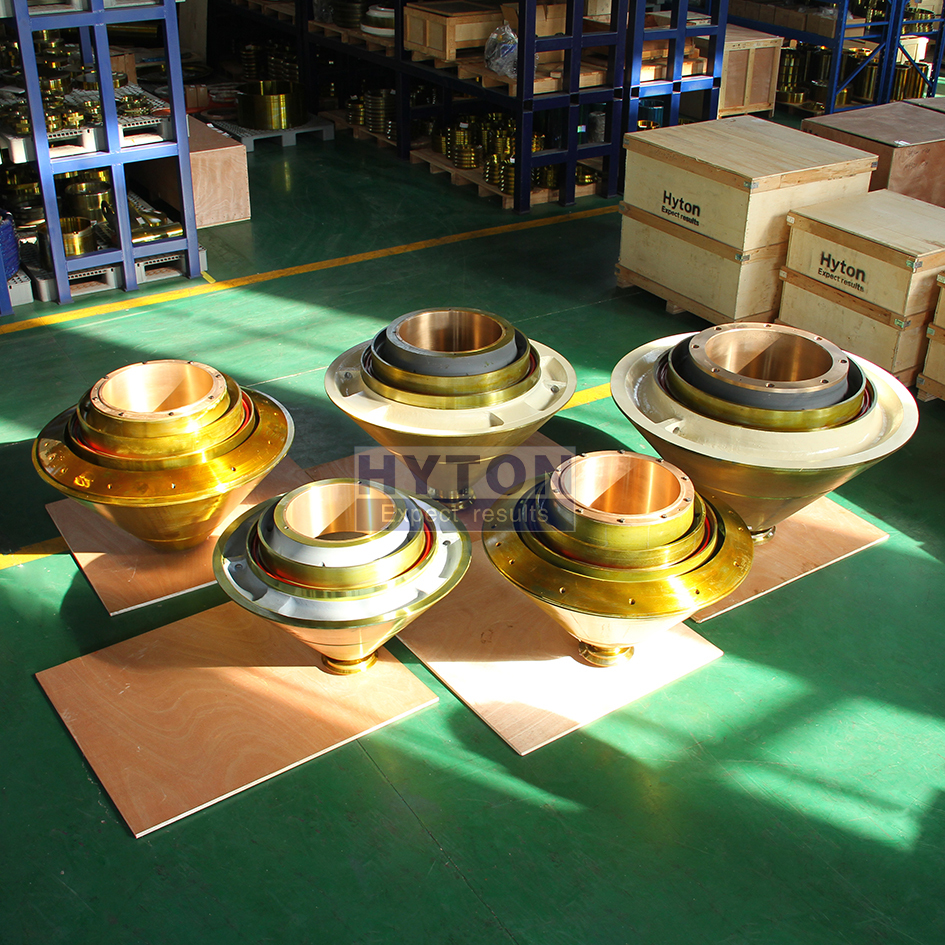
During the operation of a cone crusher, the head assembly is one of the most critical moving components. It directly participates in the crushing process and continuously withstands impact loads from rocks, compressive forces, and vibration generated during equipment operation. Therefore, the quality and manufacturing level of the head assembly largely determine the operational stability of the entire crusher and the service life of its key components.
In real mining production, many users encounter a common problem: although the price difference of head assemblies from different suppliers is not very large, the service life can vary significantly. Some components show wear, vibration, or even cracking after only a few months of operation, while others can operate stably for many years.
This difference is usually not caused by a single factor, but by several critical technical aspects, mainly including the head casting material, heat treatment process, bushing material quality, and assembly precision control.
1. Head Material Determines Overall Structural Strength
The head casting is the core structural component of the entire head assembly. Its primary function is to support the mantle and transmit crushing force to the crushing chamber through the main shaft.
During crusher operation, the head casting is subjected to:
• Strong impact loads
• Continuous compressive forces
• High‑frequency vibration and fatigue loads
Therefore, the head is typically manufactured using high‑strength alloy cast steel such as G20Mn5 or similar high‑toughness materials. These materials provide excellent impact toughness, good fatigue resistance, and strong structural stability.
If the material grade is reduced or the casting quality is not properly controlled, problems such as fatigue cracks, structural deformation, or even catastrophic failure may occur. For this reason, material quality is the first key factor determining the service life of the head assembly.
 2. Heat Treatment Is a Critical Factor Affecting Service Life
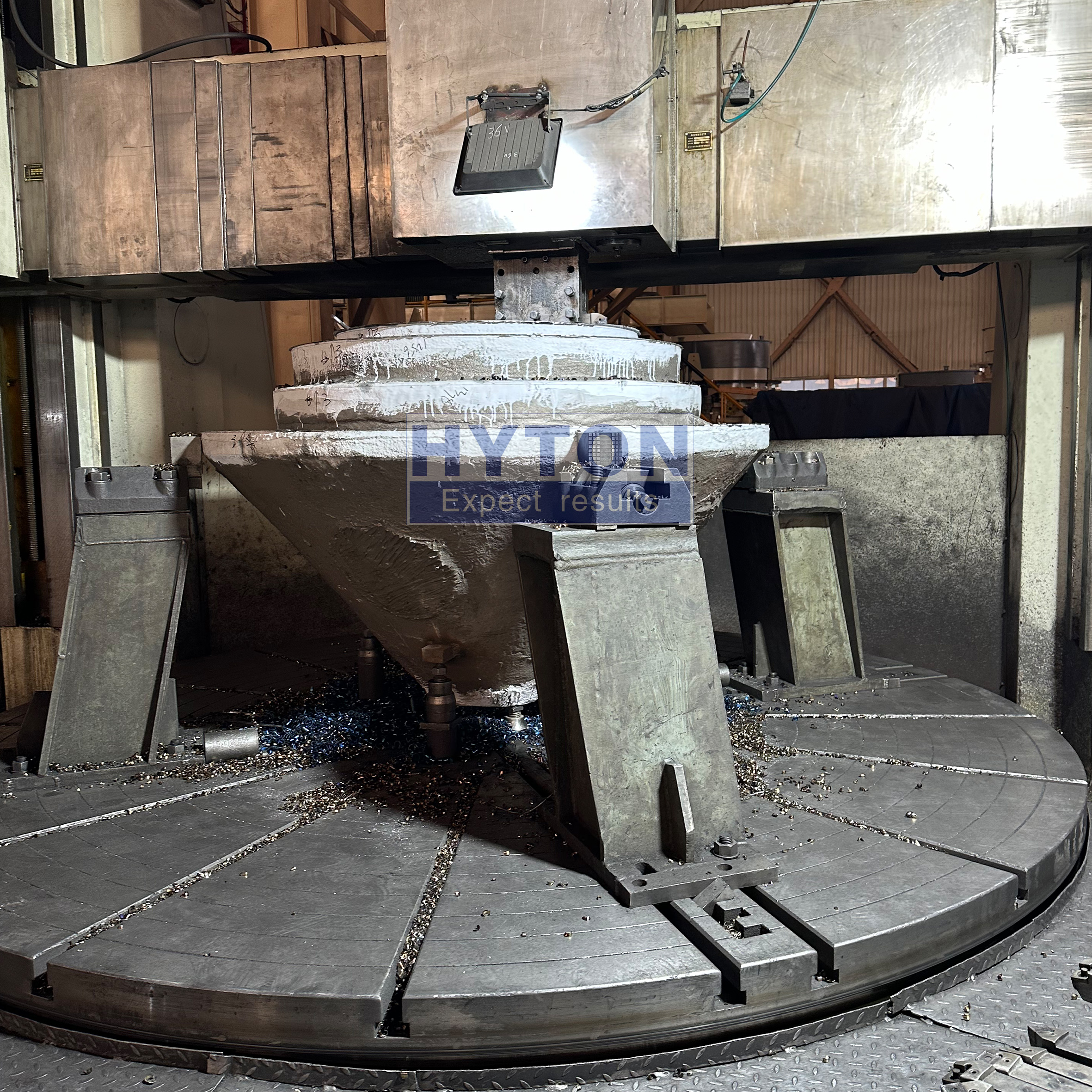
Heat treatment is a crucial process in the manufacturing of the head assembly. Proper heat treatment can significantly improve the strength, toughness, and fatigue resistance of the material.
However, in the market, some manufacturers reduce costs by simplifying or even skipping this process. Without proper heat treatment, the hardness of the head casting is typically only HB120–160. After proper quenching and tempering, the hardness can reach approximately HB200–250.
This improvement in hardness and microstructure greatly enhances fatigue resistance and extends the service life of the head assembly. In practical applications, properly heat‑treated heads can typically achieve a service life improvement of approximately 20–40%.
It is worth noting that implementing a proper heat treatment process generally increases the manufacturing cost by only about 10% of the product price, yet it can significantly improve reliability and operational life. Therefore, whether standardized heat treatment is performed often becomes an important indicator for evaluating the quality of a head assembly.
3. Bushing Material Directly Influences Friction and Wear Resistance
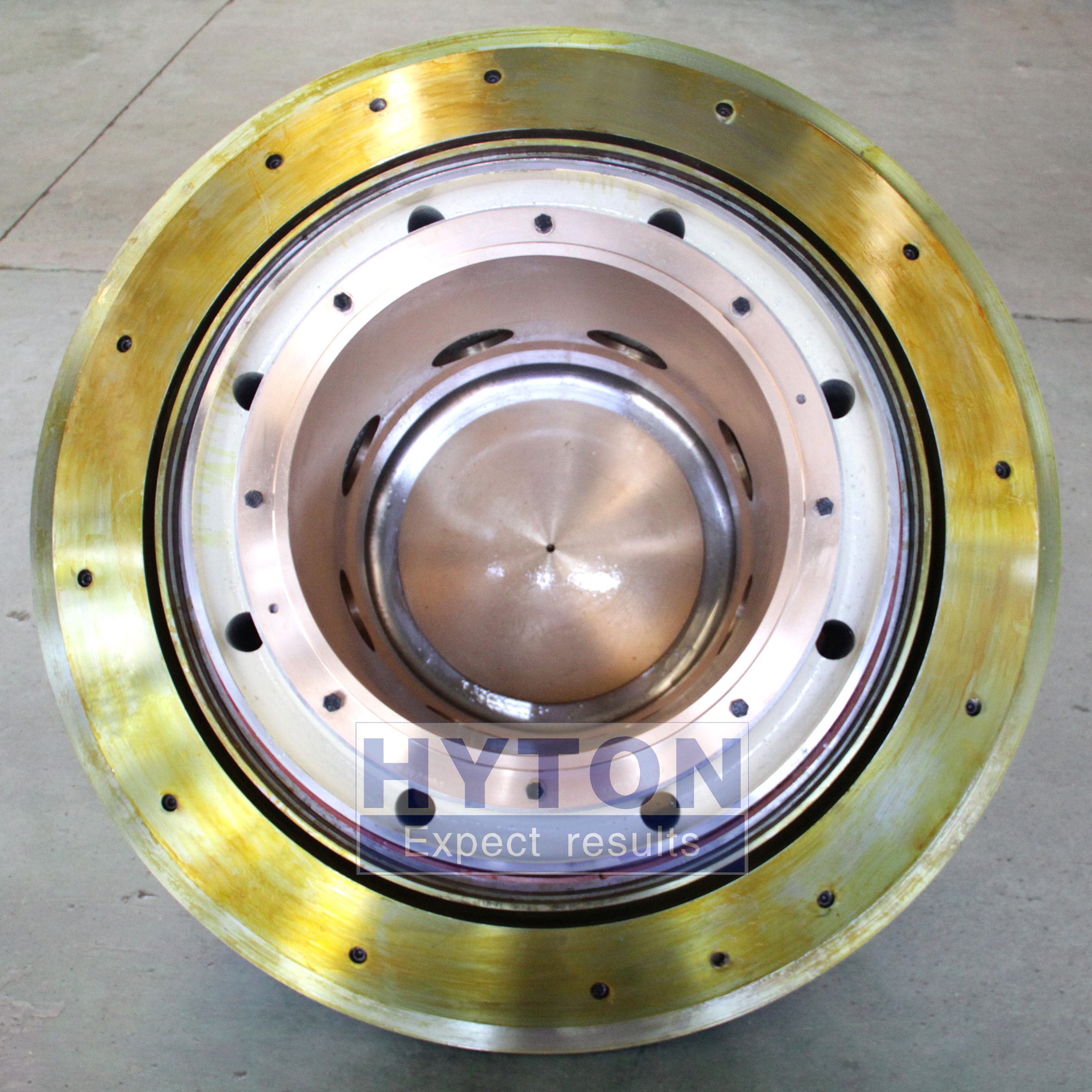
Inside the head assembly, the head bushings play a critical role. Their main functions include supporting the main shaft, reducing friction, and ensuring stable lubrication.
The choice of bushing material has a direct impact on wear resistance and service life. Common copper alloy materials include:
This material offers good self‑lubricating properties and a low friction coefficient. However, its load‑bearing capacity is relatively limited.
Tin bronze provides good strength and wear resistance and is commonly used in medium‑load conditions.
Aluminum bronze provides higher strength, excellent wear resistance, and strong impact resistance. Under heavy load and high‑impact conditions typical of crushing equipment, aluminum bronze often delivers longer service life and is therefore widely used in mining equipment.
If the bushing material quality is poor or the alloy composition does not meet standards, problems such as rapid bushing wear, increased shaft clearance, and higher vibration levels may occur, significantly reducing the overall life of the head assembly.
4. Assembly Precision Also Affects Operational Stability
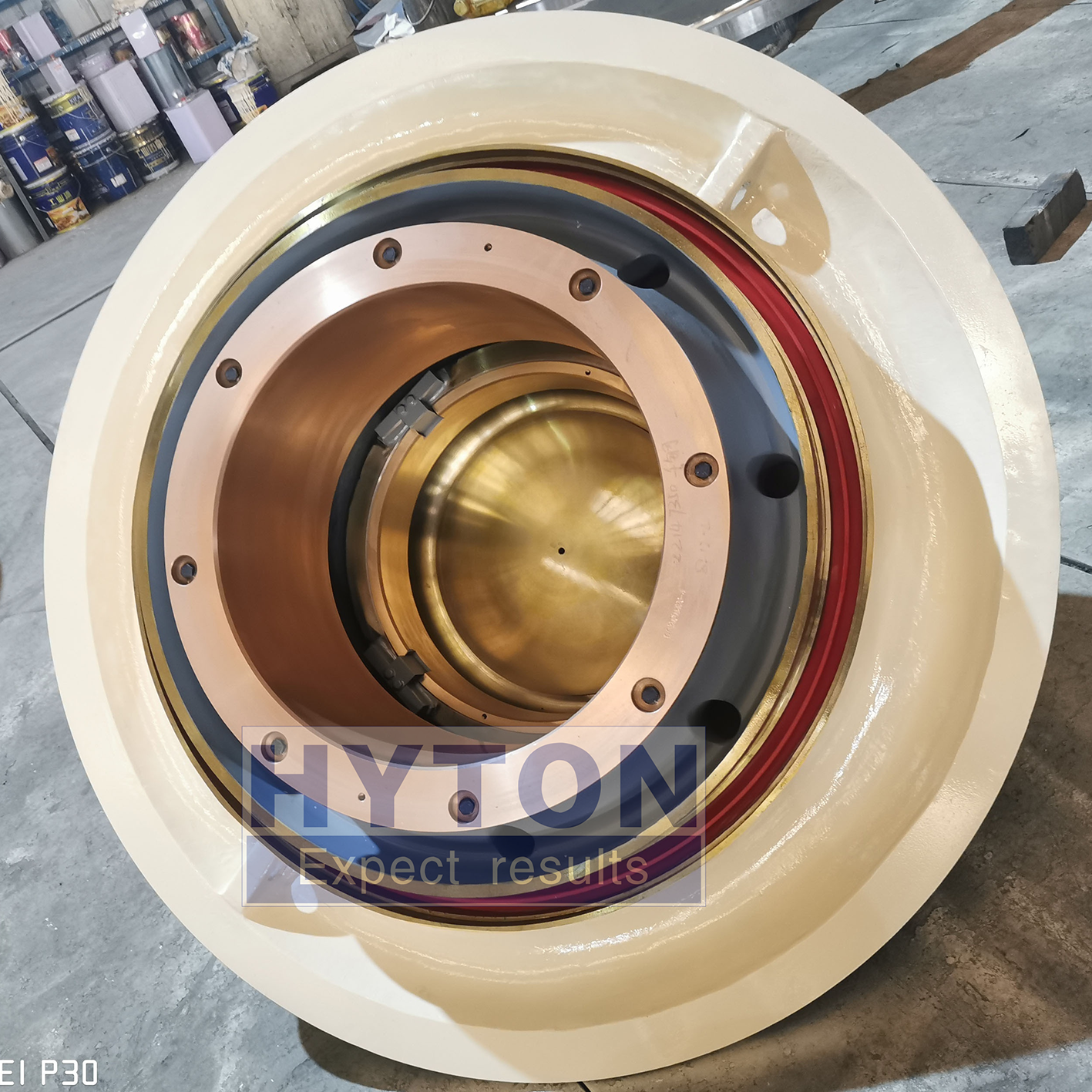
Besides material quality and manufacturing processes, assembly precision is another key factor affecting the service life of the head assembly.
During assembly, several critical parameters must be strictly controlled, including coaxiality, installation clearance, spherical contact accuracy, and bushing fitting tolerances. If these parameters are not properly controlled, problems such as uneven load distribution, abnormal wear of bushings, and increased vibration may occur, leading to premature component failure.
Therefore, assembling and inspecting the head assembly according to original equipment manufacturer standards is essential to ensure long‑term stable operation.
5. Conclusion
The service life of a cone crusher head assembly is not determined by a single factor but by multiple critical elements, including:
• Head casting material quality
• Proper heat treatment
• Bushing material selection
• Manufacturing and assembly precision
Only when all these factors are properly controlled can the head assembly operate reliably under heavy crushing conditions and achieve a longer service life.
Hyton provides one-stop wear and spare parts solution for HP series cone crushers. Here are the specific part numbers for the HP series head assembly. Please refer to them:
| HP Series Cone Crusher Part Head Assembly Model |
HP100
| HP200 | HP300 | HP400 | HP500 | HP700
| HP800 | HP3 | HP4 | HP5 | HP6 | HP900
|
| N90058031 | N90058041 | N90058056 | N90058049 | N90058047 | 1093070023 | 1093080073 | N98000833 | N98000138 | N98000474 N90058061 | N98000474 | MM0448152 |
| N82404327 | N90058042 | 1093030183 | 7090058015 | 7090058016 | 1093070089 | 1042472605 | N90058036 | MM0901559 N98000001 | MM0904114
N98000488 | N98000488 | 1042472605 |
| 7082404302 | 7090058003 | 1093030076 | 7082404311 | 7082404310 | 1093070204 |
| MM0901565 | MM0901572 N82404323 | MM0902827
MM1175105 | N90058061 |
|
| 7090058020 | 7090058013 | 7090058000 |
|
| 1093070226 1093070269 |
| MM0901620 | MM0901573 N90058026 | N98001323
N82404328 | N82404328 |
|
Next Article Preview
In the next article, we will continue to analyze another key component of the cone crusher — the Bowl Assembly — and explore its structural design, material engineering, and its important role in the crushing system.