 Introduction
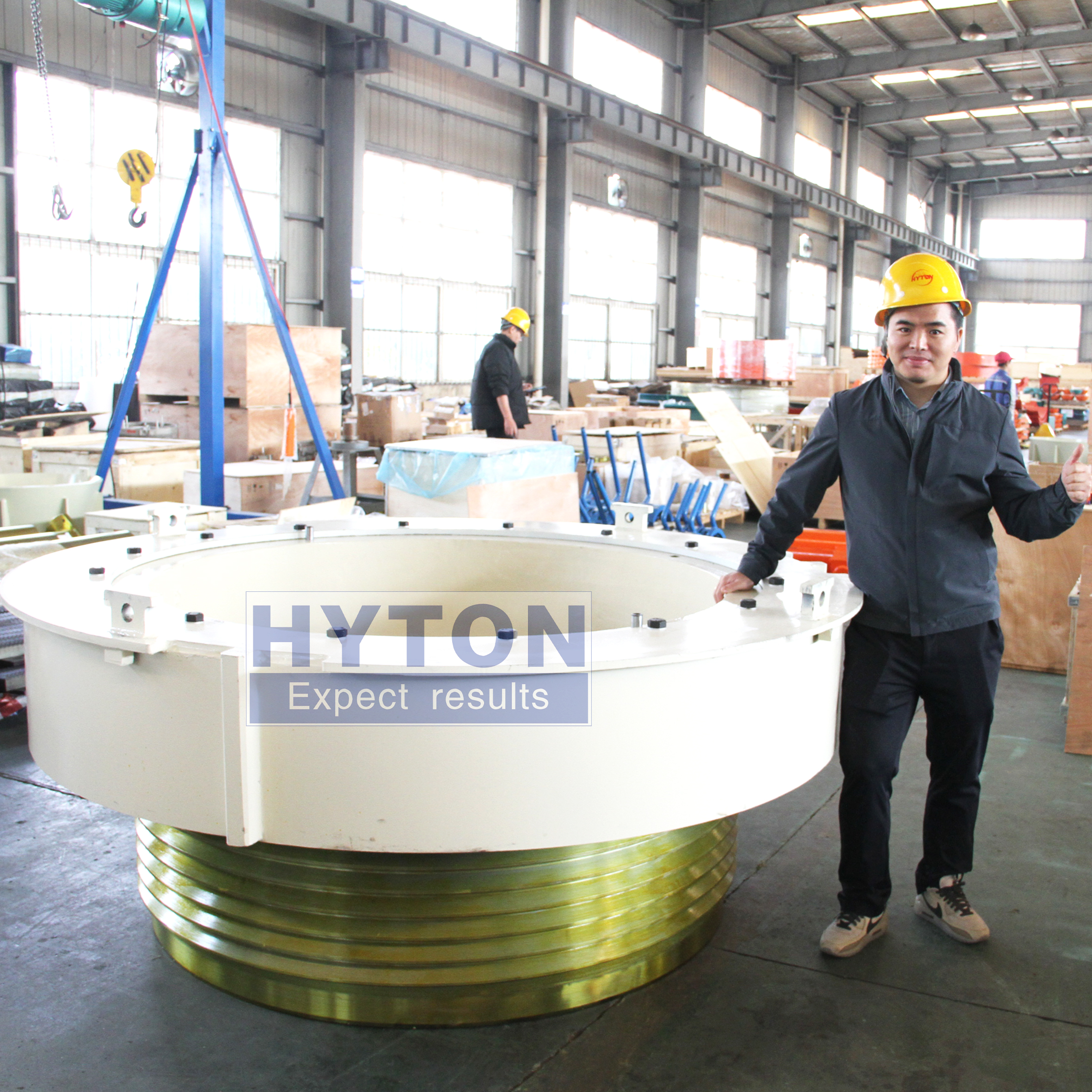
In mining operations, many equipment managers encounter the same issue: two bowl assemblies that appear almost identical can have significantly different service lives.
Some bowl assemblies develop thread wear, liner loosening, or even machine vibration within a few months, while others operate stably for years under the same working conditions.
What causes this difference?
From an engineering perspective, the service life of a bowl assembly is not determined by a single factor, but by the combined effect of multiple key technical aspects. The most critical factors include thread wear, material properties, heat treatment process, seating surface accuracy, and assembly control.
1. Thread Wear — The Core Cause of Failure
Unlike the mantle assembly, the key structure of a bowl assembly lies in its thread system, which is used to adjust the closed side setting and withstand axial loads during crushing.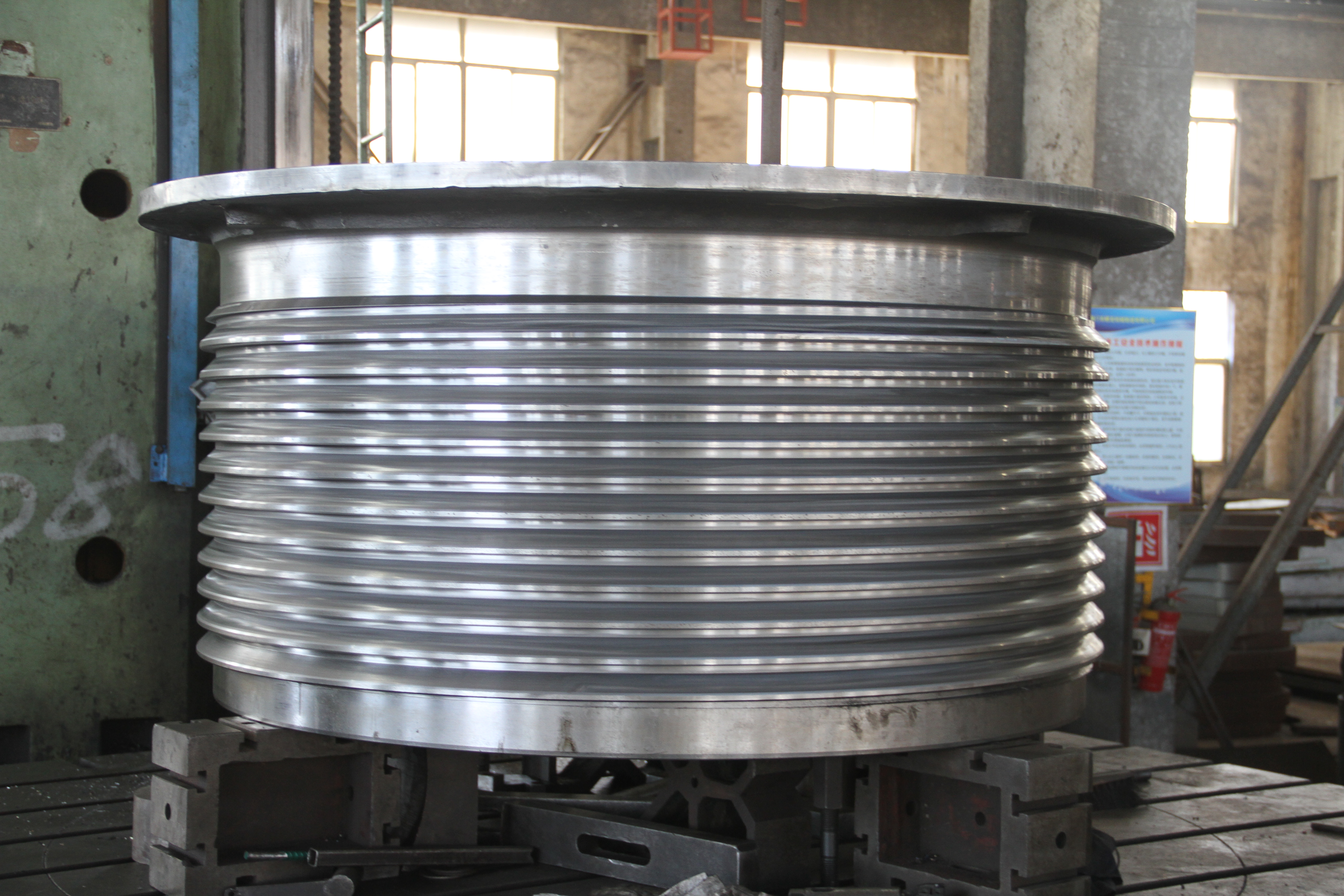
In actual operation, the threads are subjected to:
- High load compression
- Frequent adjustment friction
- Dust-laden environment
If the thread material lacks sufficient strength, machining precision is poor, or lubrication is inadequate, wear will accelerate and clearances will increase.
Once thread wear occurs, it directly leads to:
- Unstable closed side setting
- Uneven crushing force distribution
- Abnormal liner stress
- Increased machine vibration
Therefore, thread wear is one of the most critical factors affecting bowl assembly service life.
2. Material of the Bowl Structure — The Foundation of Stability
The bowl assembly is a heavy-duty structural component responsible for supporting the concave liner and transmitting crushing forces. Therefore, high material strength and stability are required.
Under high-load conditions, G28Mn6 + QT1 quenched and tempered cast steel is recommended.
After proper heat treatment, this material offers:
1. Higher structural strength — greater tensile and yield strength compared to ordinary cast steel.
2. Good toughness and impact resistance — effectively absorbs impact energy and reduces cracking risk.
3. Excellent fatigue resistance — suitable for long-term continuous operation.
4. Strong deformation resistance — stable microstructure prevents deformation and ensures thread and installation accuracy.
Material properties directly determine long-term reliability.
3. Heat Treatment Process — A Key Amplifier of Performance
Heat treatment plays a critical role in ensuring material performance.
Proper quenching and tempering can:
- Improve strength and toughness
- Optimize microstructure
- Eliminate internal stress
- Enhance fatigue resistance
In practice, properly heat-treated bowl assemblies can achieve approximately 30 percent longer service life, while the cost increase is typically only about 10 percent.
A small cost increase can result in significantly improved performance and stability.
Thus, standardized heat treatment is a key indicator of product quality.
 4. Liner Seating Surface — A Critical Detail for Load Distribution
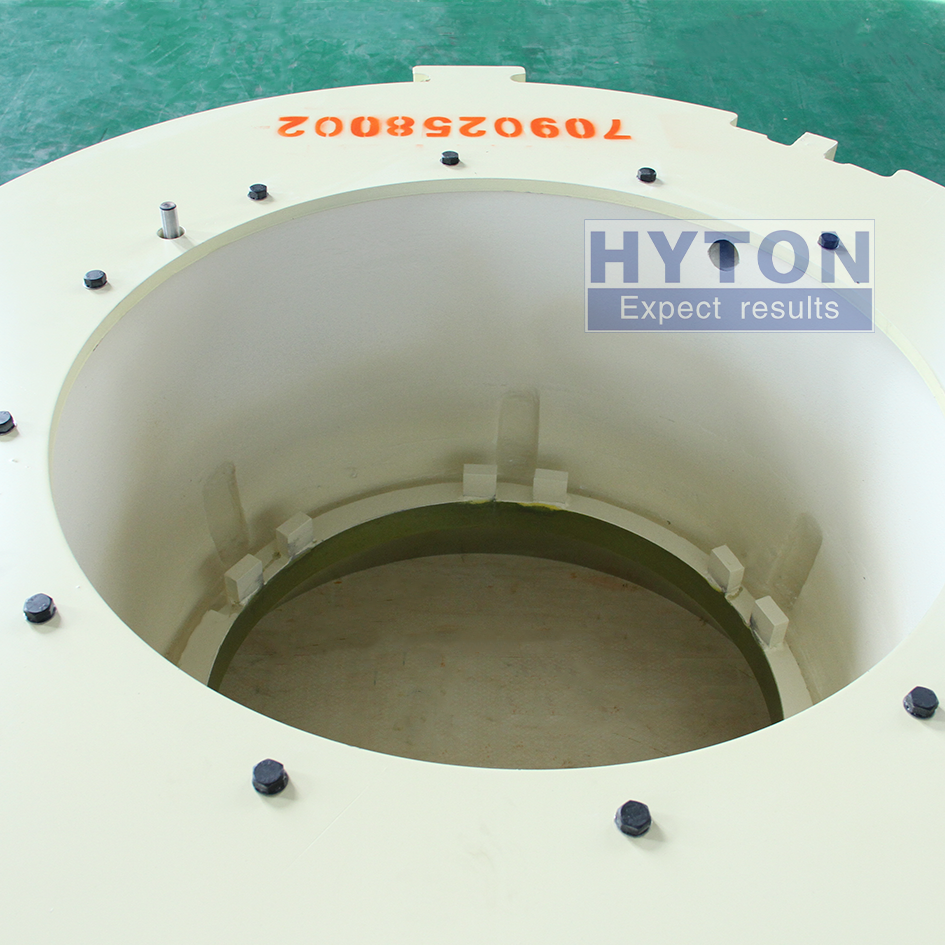
The concave seating surface ensures the stability of the crushing chamber.
It must have:
- High flatness
- High machining precision
- Good contact fit
Poor accuracy may cause:
- Improper liner fit
- Local stress concentration
- Liner loosening or abnormal wear
Over time, this can affect chamber geometry and machine stability.
5. Sealing and Dust Control — The Hidden Life Killer
Mining equipment operates in dusty environments. Poor sealing allows dust to enter:
- Thread areas
- Contact surfaces
- Lubrication zones
This leads to:
- Accelerated wear
- Lubrication failure
- Increased resistance
Proper sealing design and maintenance are essential.
6. Assembly Accuracy — The Basis of Long-Term Stability
Even with good materials and manufacturing, poor assembly can cause early failure.
Key controls include:
- Thread fit accuracy
- Installation clearance
- Component alignment
Poor control may result in:
- Eccentric loading
- Abnormal wear
- Vibration
Conclusion
The service life of a bowl assembly is determined by multiple factors, including thread performance, material properties, heat treatment, machining accuracy, and assembly quality.
For mining users, selecting based on price alone is insufficient. Long-term operating cost is determined by manufacturing capability and quality control.
Hyton provides one-stop wear and spare parts solution for HP series cone crushers. Here are the specific part numbers for the HP series bowl assembly. Please refer to them:
| HP Series Cone Crusher Parts Number |
| Model | Description |
| BOWL | BOWL ASSY |
| HP100 | HT-N23508401 | HT-N90258013 |
| HP200 | HT-7023508000 | HT-7090258001 |
| HP300 | HT-7023508200 | HT-7090258000 |
| HP400 | HT-1020053002 | HT-1093040116 |
| HP500 | HT-N23508202 | HT-N90258006 |
| HP700 | HT-1020055030 | HT-1093070013 |
| HT-1020057055 | HT-1093070014 |
| HT-1020057056 | HT-1093070055 |
| HT-1020055031 | HT-1093070062 |
| HT-1020055033 | HT-1093070063 |
| HT-1020057058 | HT-1093070069 |
| HT-1093070074 |
| HT-1093070091 |
| HT-1093070093 |
| HT-1093070094 |
| HT-1093070095 |
| HT-1093070098 |
| HT-1093070112 |
| HT-1093070136 |
| HT-1093070144 |
| HT-1093070262 |
| HT-1093070263 |
| HP800 | HT-1020057059 | HT-1093080118 |
|
| HP900 | HT-1020055034 | HT-1093080117 |
| HP3 | HT-N98000831 | HT-N98000829 |
| HP4 | HT-N98000013 | HT-N98000144 |
| HT-N98000135 |
| HP5 | HT-N98000251 | HT-N98000248 |
| HT-N98000249 |
| HP6 | HT-N98000251 | HT-N98000248 |
| HT-N98000249 |
Next Article Preview
Why does the lower frame crack? Is it really just a material issue?
In the next article, we will analyze the load path and failure mechanisms of the lower frame assembly.